Customs clearance process
Dropshipping logistics
freight shipping
International shipping guidelines
local freight shipping services
Warehouse management
2025, 2290, advice, authority, Business, compliance, dispatch, DOT number, drivers, ELD, entrepreneur, equipment, Finance, FMCSA, freight, freight brokerage, guide, hiring, how-to, IFTA, independent, insurance, licensing, load board, logistics, logistics management, maintenance, management, MC number, operating costs, operations, owner operator, permits, profits, regulations, resources, shipping, small business, startup, step-by-step, success, supply chain, taxes, tips, trailers, transportation, trucking, trucking business plan, trucking company, trucking industry, trucks, UCR
prraelogistics
0 Comments
How to Launch Your Lucrative Trucking Business in 2025

The trucking industry, a $940 billion behemoth, presents both challenges and opportunities for new entrants. The load board, while a valuable tool, can sometimes paint a grim picture with seemingly low rates. However, remember that the trucking industry is a long game. Establishing your rate per mile, understanding your operating costs, and focusing on long-term growth are key to success. Don’t be discouraged by short-term fluctuations in the market.
Essential Tips for Trucking Success in 2025:
- Focus on the Long Term: The trucking industry rewards persistence and strategic planning. Don’t get discouraged by initial setbacks.
- Build Relationships: Networking with shippers, brokers, and other industry professionals can open doors to lucrative opportunities.
- Manage Your Finances Wisely: Track your income and expenses meticulously. Cash flow management is crucial in the trucking business.
- Stay Compliant: Keep up-to-date with industry regulations and ensure your operations are always compliant.
- Embrace Technology: Utilize technology like ELDs (Electronic Logging Devices) and TMS (Transportation Management Systems) to streamline your operations and improve efficiency.
- Prioritize Safety: Maintain your equipment, adhere to safety regulations, and prioritize the well-being of your drivers.
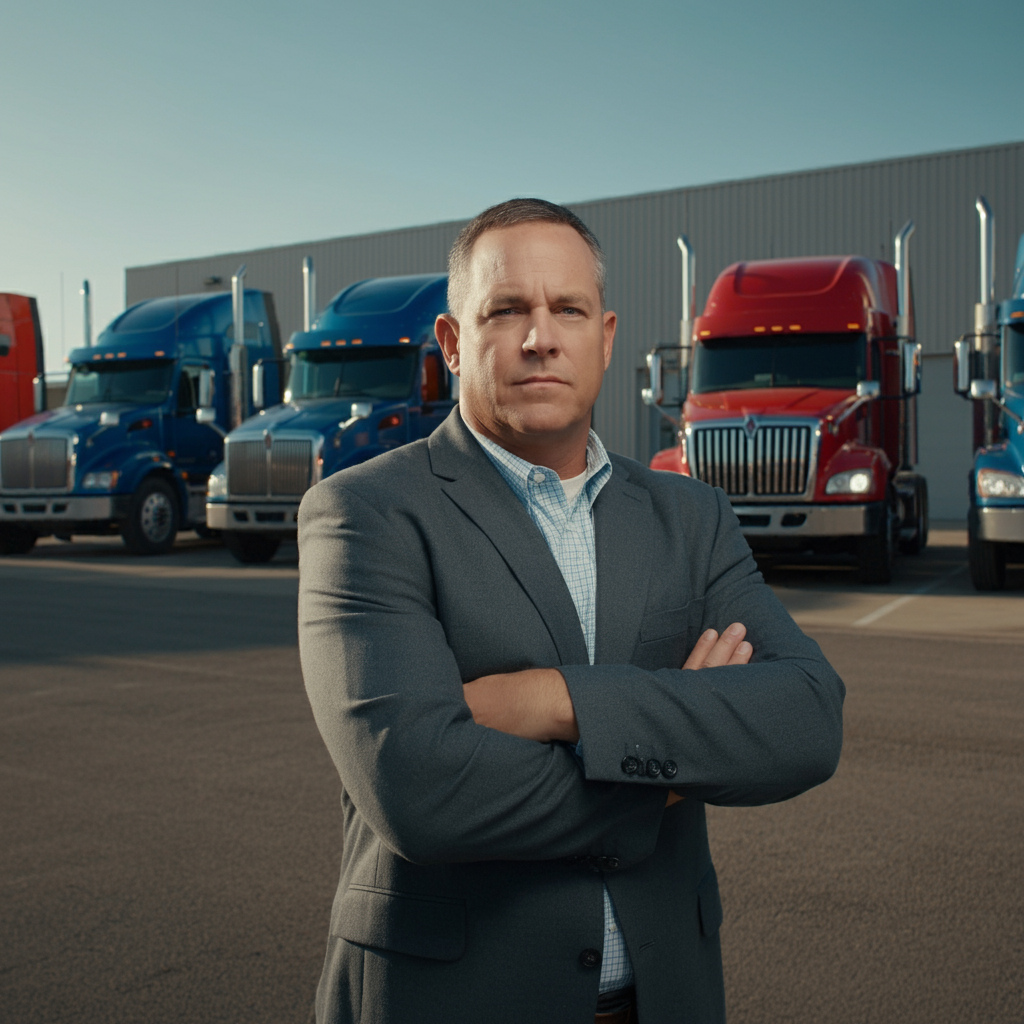
Financial Planning for Your Trucking Business in 2025
Sound financial planning is the bedrock of any successful trucking business. Here’s a breakdown of key financial considerations:
- Startup Costs: Include expenses like truck purchase, insurance, licensing, permits, and initial operating capital.
- Operating Costs: Factor in fuel, maintenance, repairs, tires, tolls, insurance, and driver salaries (if applicable).
- Revenue Projections: Estimate your potential earnings based on your target market, rates, and projected mileage.
- Cash Flow Management: Develop a system for tracking income and expenses, managing invoices, and ensuring timely payments.
- Funding Options: Explore financing options like loans, lines of credit, or equipment financing to support your startup.
Choosing the Right Truck for Your Business in 2025
Selecting the right truck is a critical decision that will impact your operational efficiency and profitability. Consider the following factors:
- New vs. Used: Weigh the pros and cons of buying a new truck versus a used one. New trucks come with warranties but carry a higher price tag. Used trucks are more affordable but may require more maintenance.
- Truck Type: Choose a truck that aligns with your target market and the types of freight you plan to haul. Consider factors like payload capacity, fuel efficiency, and maneuverability.
- Financing: Explore financing options for your truck purchase. Shop around for the best rates and terms.
Staying Compliant in 2025: Navigating Trucking Regulations
The trucking industry is heavily regulated. Staying compliant with all applicable regulations is essential for avoiding penalties and maintaining your operating authority. Key regulations to be aware of include:
- FMCSA Regulations: The Federal Motor Carrier Safety Administration sets regulations related to driver hours of service, drug and alcohol testing, vehicle maintenance, and safety.
- State Regulations: Each state has its own specific regulations regarding trucking operations. Research the regulations in the states where you plan to operate.
- IFTA (International Fuel Tax Agreement): If you operate in multiple states, you’ll need to comply with IFTA regulations for reporting and paying fuel taxes.
- IRP (International Registration Plan): If you operate in multiple jurisdictions, you’ll need to comply with IRP regulations for registering your vehicles.
Building Your Team and Scaling Your Operations
As your trucking company grows, you’ll likely need to expand your team. Hiring qualified drivers, dispatchers, and other support staff is essential for scaling your operations effectively. Consider the following:
- Driver Recruitment and Retention: Develop strategies for attracting and retaining qualified drivers. Offer competitive pay and benefits, and create a positive work environment.
- Dispatcher Training: Train your dispatchers on efficient routing, load planning, and communication with drivers.
- Safety Programs: Implement robust safety programs to protect your drivers and minimize accidents.
Technology and Innovation in Trucking: Embracing the Future
The trucking industry is rapidly evolving, with technology playing an increasingly important role. Staying ahead of the curve by embracing technological advancements can give you a competitive edge. Key areas to consider include:
- ELDs (Electronic Logging Devices): ELDs are now mandatory for most commercial drivers. Choose an ELD system that integrates seamlessly with your operations.
- TMS (Transportation Management Systems): TMS software can help you manage your entire fleet, optimize routes, track shipments, and improve efficiency.
- Telematics: Telematics systems provide real-time data on vehicle location, speed, fuel consumption, and driver behavior. This data can be used to improve safety, reduce costs, and optimize performance.
Leveraging Prraelogistics’ Expertise
At Prraelogistics, we understand the complexities of the trucking industry. We offer affordable freight shipping solutions and can provide valuable insights and resources to help you succeed.
Whether you need assistance with logistics management, supply chain optimization, or freight brokerage, our team of experts is here to support your growth.

Why 80% Of Owner Operators Fail: Insider Insights
FAQ
How much does it cost to start a trucking company?
Startup costs can vary widely depending on factors like the type of truck you purchase, your location, and your insurance premiums. Develop a detailed business plan to estimate your specific startup expenses.
What are the most important regulations to be aware of?
Key regulations include FMCSA regulations, state-specific regulations, IFTA, and IRP.
How do I find loads for my truck?
Load boards, freight brokers, and direct shipper relationships are common ways to find freight.
How do I manage my trucking company's finances?
Implement a robust accounting system, track your income and expenses diligently, and manage your cash flow effectively.
Tag
2025 2290 advice authority Business compliance dispatch DOT number drivers ELD entrepreneur equipment Finance FMCSA freight freight brokerage guide hiring how-to IFTA independent insurance licensing load board logistics logistics management maintenance management MC number operating costs operations owner operator permits profits regulations resources shipping small business startup step-by-step success supply chain taxes tips trailers transportation trucking trucking business plan trucking company trucking industry trucks UCR





Post Comment